Zcash developers set January target for quantum-resistant payments after ‘bunker mode’ scare
Developers of privacy-focused Zcash (ZEC) plan to add protections designed to withstand quantum computers within months as warnings about AI-assisted attacks put the broader security of cryptocurrency wallets under scrutiny, according to coindesk.com.
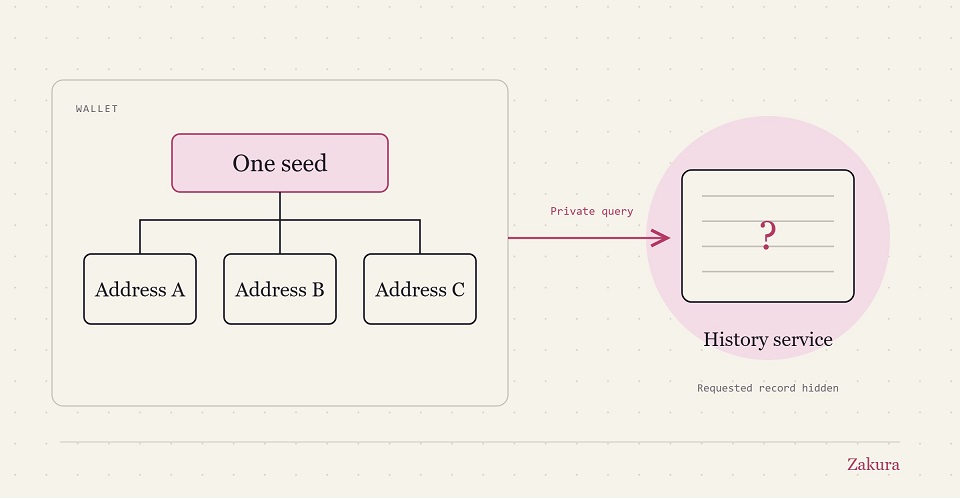
“Our team plans for post-quantum signature opcodes to land in Zcash in January,” Roman Akhtariev wrote in an engineering post for Zakura, one of the programs used to run the Zcash network and validate its transactions.
Those opcodes, or instructions, would give Zcash the ability to check hash-based signatures, a method of approving payments designed to resist quantum attacks. While January is the team’s target, no confirmed network activation date was mentioned.
The aim is to prevent attackers from using today’s public keys to work backward to forge a wallet owner’s approval and spend their coins.
Zakura’s post comes on the heels of a warning by Ethereum researcher Justin Drake, who on Thursday urged holders to prepare for a so-called “bunker mode,” warning that AI could find a shortcut through the mathematics protecting bitcoin and ether wallets “in months, not years” in the worst case.
Ethereum’s own broader migration to quantum-resistant cryptography has a target date of December 2029. No practical attack on their wallet keys has been demonstrated so far.