Microsoft to expand Azure Maia system to multi-gigawatt deployments
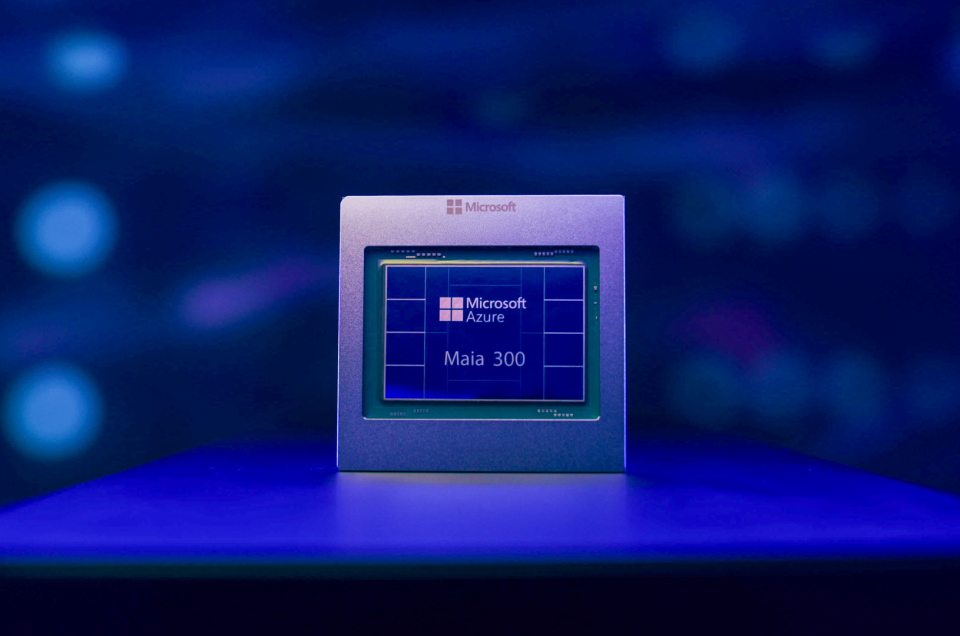
Microsoft is entering a new phase of infrastructure. “We will scale our Azure Maia family to multi-gigawatt deployments starting in 2027, making Maia the primary inference system for Microsoft products and services.” – according to the press release.
The multigenerational Azure Maia program has become a foundational element of Microsoft’s AI infrastructure strategy. Maia 200 is now serving Microsoft production workloads, including Microsoft Copilot, and supporting the MAI team as they develop next-generation models, with GitHub Copilot and Microsoft Foundry to follow by end of year. Across these workloads, Maia 200 runs OpenAI models, Microsoft’s own MAI models and leading open-source model families. Insights from the scale of Microsoft’s AI services allow for unique co-design between hardware systems and software applications to optimize real-world use cases across enterprise applications and industry scenarios.
“Maia 300 is a complete intelligent system designed for the new types of AI workloads emerging today: Long-context reasoning, latency-sensitive conversational experiences and sustained, multi-step agentic tasks. By improving efficiency across the system, we expect Maia 300 to deliver 40% more tokens per megawatt compared to leading GPU-based systems. And in a full 96-accelerator configuration, it delivers up to 7x the rack-scale token throughput of Maia 200.” – the company said.

“Today we are announcing our biggest bet yet on our own silicon. Starting next calendar year, we will scale our Maia family to multi-gigawatt deployments, making it the primary inference system for our own product and services.” – says Satya Nadella, Chairman and CEO at Microsoft.
He continues: “And we’re introducing Maia 300, which delivers 40% more tokens per watt compared to leading GPU-based systems. We are already deploying Maia 200 across the US, Europe, and Australia, delivering up to 1.7x more tokens per watt across experiences in Teams and Copilot. Our goal is to build on the full-stack efficiency gains we’ve already seen, while continuing to bring the latest innovations from across the ecosystem into our fleet.”
More details here